Hollywoods worst leaks
The Trust Protocol
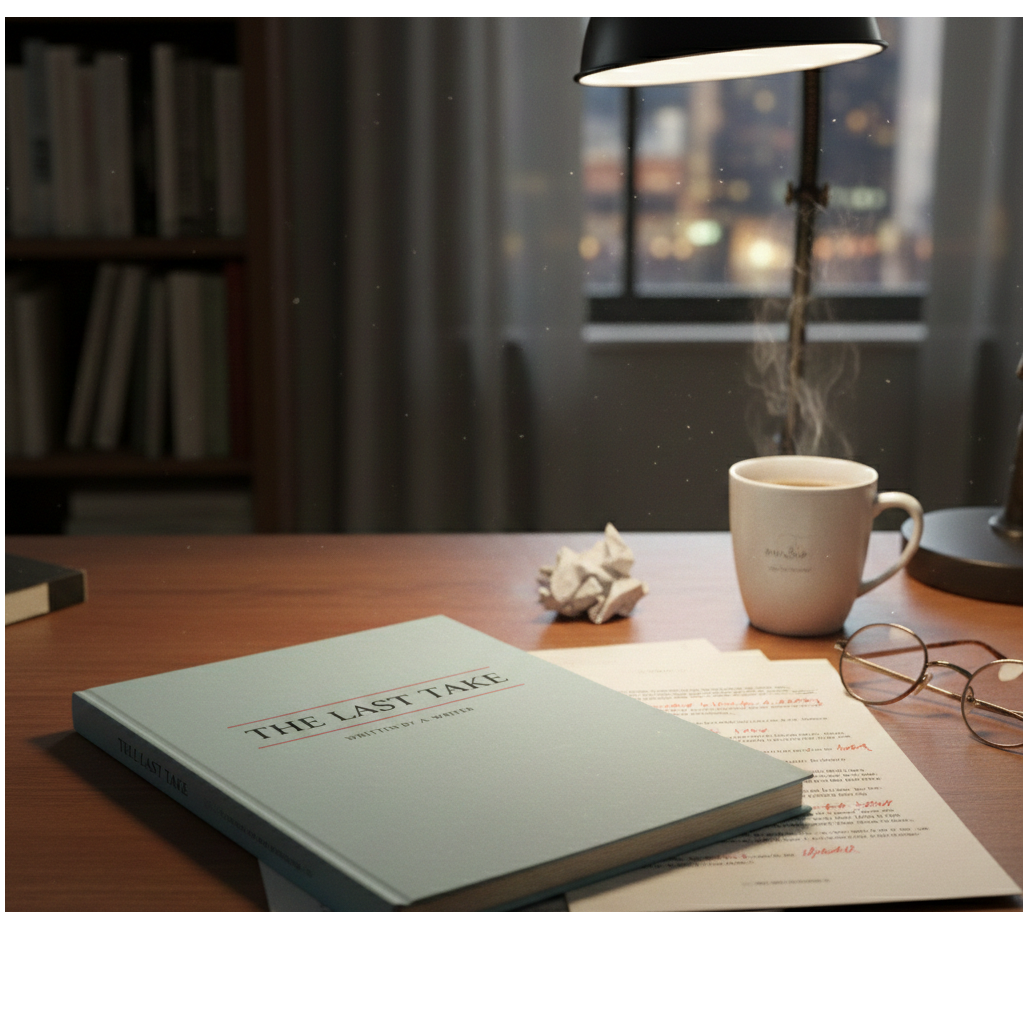
For a screenwriter or filmmaker, the journey from idea to script is an act of faith. But the real leap of faith comes when you have to share it. You send your work—your intellectual property—to a small, trusted circle of agents, producers, and actors. This “trust protocol” is the unwritten rule that holds the pre-production ecosystem together.
But what happens when that trust is broken? The consequences can be devastating, not just for Hollywood blockbusters, but for any creator who sees their unfinished work exposed to the world before it’s ready.
Three Leaks, One Universal Problem
While they seem like massive studio problems, the stories behind Hollywood’s most infamous leaks reveal a universal vulnerability that affects creators at every level.
“Possession is not proof of ownership. Verifiable data is. The moment your file leaves your hard drive, you need a way to prove it’s still yours.”
1. The Inner Circle Betrayal: Tarantino’s ‘Hateful Eight’
When Quentin Tarantino’s script leaked, his outrage was personal. He had only shared it with a handful of trusted colleagues. The leak wasn’t a hack; it was a breach of his inner circle that made him want to cancel the project entirely. For the independent creator, this is the most relatable fear: a violation of trust among the very people you need to advance your project.
2. The Pipeline Breach: The Battle for Westeros
The Game of Thrones leaks were different. Entire episodes and scripts appeared online, often originating from international distribution partners or third-party vendors. This highlights a different risk: as your project grows, your circle of trust is forced to expand. Every new partner, from a translator to a VFX house, becomes a potential point of failure in your security pipeline.
3. The Spoiler Supernova: The Marvel Problem
Leaks from the Marvel Cinematic Universe often involve a single script or plot detail spreading globally in minutes. This demonstrates the terrifying speed and scale of a modern leak. For a creator, this is the ultimate loss of control—the twist you’ve worked on for years is revealed and devalued in a single afternoon.
The Common Thread: A Lack of Verifiable Control
In every one of these cases, the core issue was the same. The creators knew what had leaked, but they couldn’t definitively prove the source. They couldn’t point to a specific file and say, “This is the one.” Without a verifiable chain of custody, there is no accountability.
This is the exact problem MediaSeal was built to solve for the individual creator. Imagine a different scenario. What if, before sending your script out, you used MediaSeal to apply a unique, password-protected digital signature for each reader? Each file you send would be cryptographically unique. If a file were to leak, the free, public verification tool on mediasealer.com could instantly identify the embedded signature, pointing directly to the source of the breach.
This isn’t just a watermark; it’s a chain of custody. A digital signature embeds an unbreakable, verifiable record into the file itself. It proves who signed it, when they signed it, and—most importantly—it can be used to verify that the file has not been altered since it was signed.
Your Work Deserves a Better System
You don’t need a studio’s budget to face a studio’s problems. Your script, your pitch deck, and your treatment are the currency of your career. Relying on trust alone is a gamble you don’t have to take. By embracing modern tools like digital signatures, you upgrade from a broken “trust protocol” to a secure, verifiable system. You create a clear, undeniable record of ownership and control for every file you share, giving you the confidence to get your next great idea into the right hands.
 By Paul Fearon, Co-Founder